Climate Smart Flock Management – First Results from the Monaro 2026
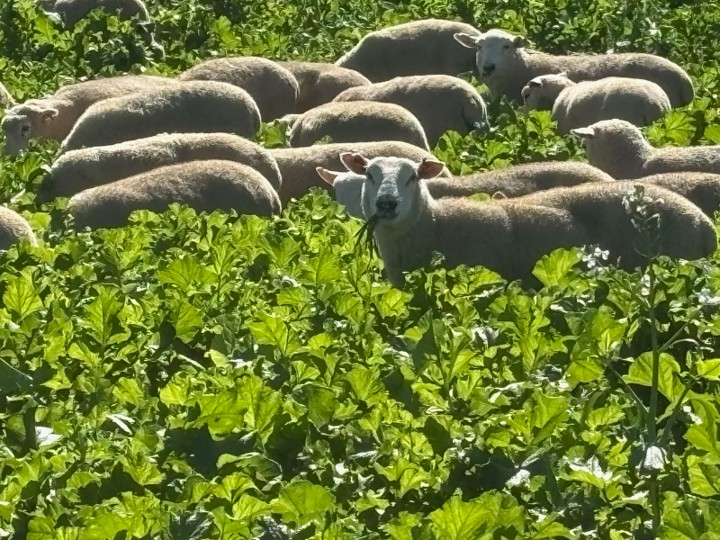
Our first round of autumn demonstrations is complete; five paddock pairs grazed across three farms at Delegate, Bibbenluke and Maffra.
The project is comparing system output where lambs graze paired paddocks with one mob receiving grain supplementation and the other grazing pasture or crop alone.
So, what are the early results telling us?
Delegate Station – Tillage radish/cereal
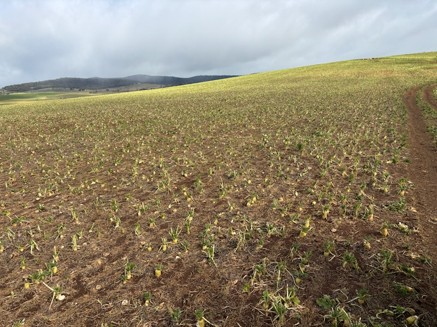
Despite the grain-fed lambs growing 17% slower the grain feeding system ran at a 45% higher stocking rate netting 403 kg/ha of total liveweight gain compared with 313 kg/ha without grain. This illustrates the potential to increase land productivity using strategic supplements.
Green Lake – Mixed perennial pasture
Results varied between the two paddock pairs. In the first grazing, daily liveweight gains were similar with and without grain and the two mobs were run at similar stocking rates. Pasture utilisation was higher on the unsupplemented paddock while the supplementated paddock exhibited substitution of pasture in the diet with grain supplements. On the second paddock pair paddock sizes were different but unfortunately the logistics of animal movement mean’t the supplemented lambs were run on the larger of the two paddocks. Performance of the supplemented lambs was much higher, but the intake of grain was also very high and the overall feed use efficiency of both fed and unfed lambs was lower than expected, pointing to the possibility of animal health influences.
Old Springfield – Grazing canola
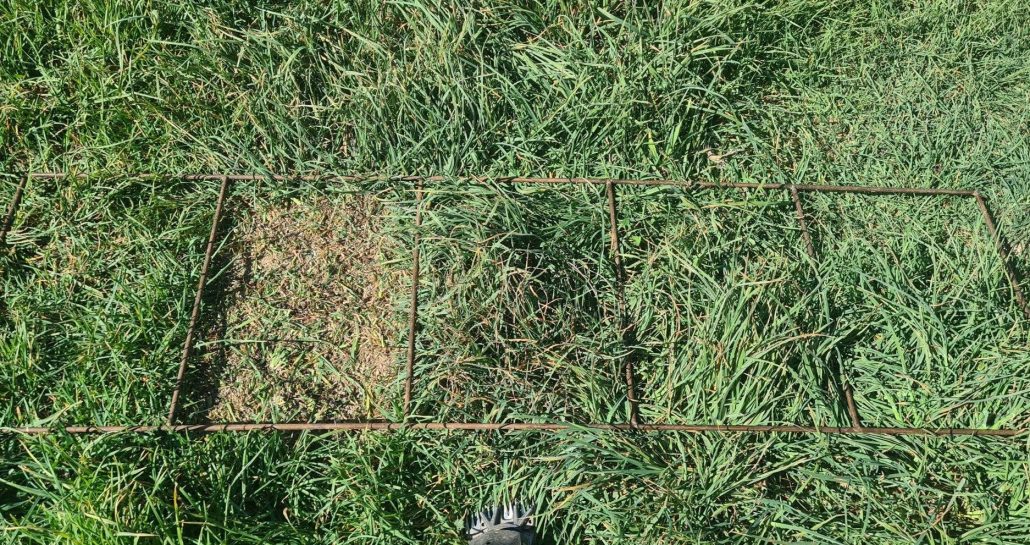
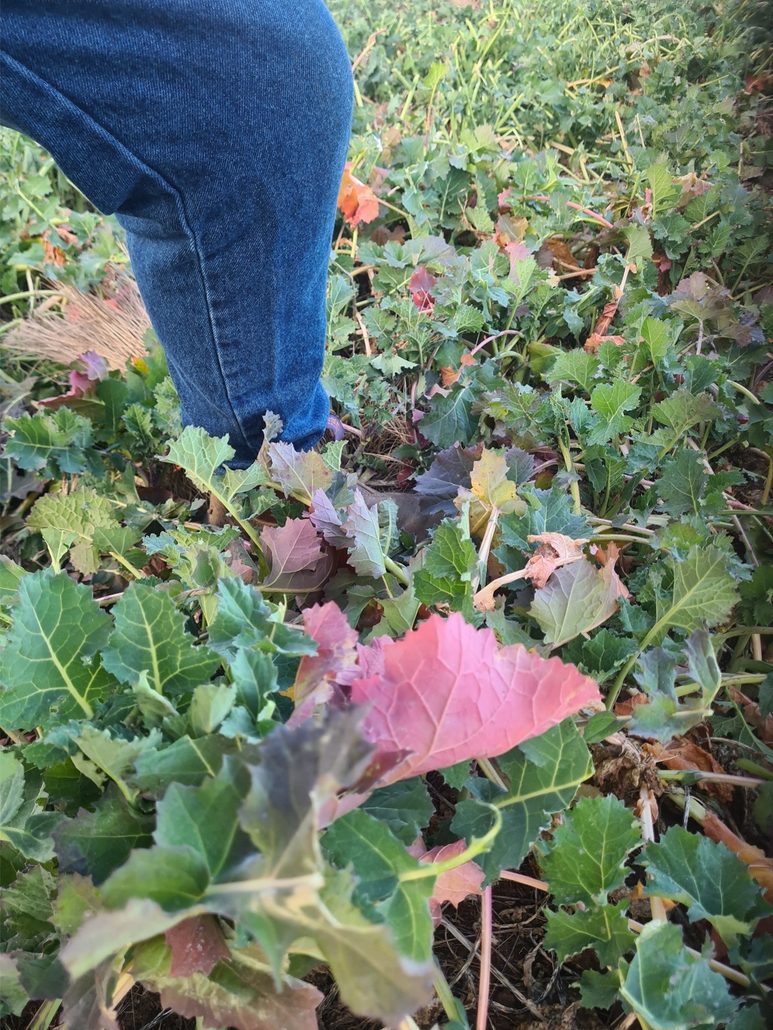
The un-supplemented Merino wethers recorded slightly higher daily liveweight gains. However, the unsupplemented paddock had 42% higher herbage mass at the commencement of the trial and stocking rates were very modest relative to the herbage available which made direct comparisons difficult. For the next round of trials where paddock pairs are not sufficiently similar it may be better to consider dividing a single paddock with a temporary fence.
The early takeaway?
Grain supplementation did not automatically mean better livestock performance. Herbage availability and quality, stocking rates, supplement intake and animal health all play a part. Going forward we intend to use feed budgets to better tune stocking rates for the influence of supplements on carrying capacity rather than relying just on incremental per head performance to provide a return to the cost of the supplement.
These are only preliminary findings. Further paired paddock trials planned for the coming summer and autumn will help build a clearer picture of when supplementation may be worthwhile.
Thanks to our host farmers John Jeffreys, Brad Yelds and George and Mel Haylock, and technical adviser Doug Alcock.
The project is led by Central West Farming Systems and supported by the Australian Government through the Climate-Smart Agriculture Program.